





Hydraulic Swivels for Industrial and Automotive Use
Quick Answer
Hydraulic swivels allow fluid to transfer through a connection while letting the connected parts rotate freely, which stops hydraulic hoses twisting and wearing out prematurely under movement.
What They Do
In any hydraulic system where a hose or fitting needs to move or rotate relative to what it's connected to, a fixed fitting will eventually twist the hose itself, leading to fatigue and early failure. A swivel breaks that connection: the fluid path stays sealed while the fitting rotates freely, so the hose isn't taking the twisting load. This matters most on equipment with regular movement, such as agricultural machinery, construction equipment, and general industrial hydraulic setups.
Where They Get Used
Hydraulic swivels are a common fitting across agricultural machinery, construction equipment, and manufacturing setups wherever a hose run needs to handle rotation without twisting. Getting the swivel right at these connection points extends hose life and reduces the chance of a failure under working pressure.
Alongside Other Hydraulic Fastening
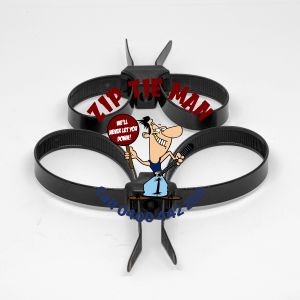
On the same jobs where swivels are used, dual handcuff cable ties are often used to separate and stabilise hydraulic lines running alongside each other, reducing rubbing and wear between hoses. The two products solve related but different problems: a swivel handles rotation at a fitting, while a cable tie manages how the hoses are routed and separated along their length.
Common Questions
What are hydraulic swivels used for?
Allowing fluid to pass through a connection while letting the fitting rotate, preventing hose twisting and the wear that causes.
Where are hydraulic swivels commonly used?
Agricultural machinery, construction equipment, and manufacturing setups with hydraulic systems that need to handle rotation without twisting the hose.
Do you supply other hydraulic hose management products?
Yes, including dual handcuff cable ties for separating and stabilising hydraulic lines running alongside each other.