

The best garden zip ties are black or green nylon, UV stabilised for the sun, sized to the job: small ties for plants and dripline, wider ones for fences and shade cloth. The one rule that matters most is to tie anything living loosely, so the tie never cuts into a growing stem.
Here is how to use them around the garden, job by job.
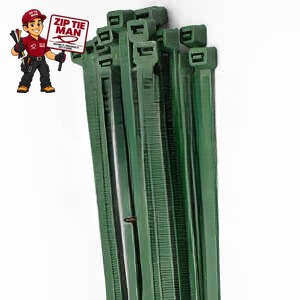
Which zip ties to use in the garden
| Job | Zip tie |
|---|---|
| Plants to stakes and trellis | Releasable zip ties, or 2.5mm or 4.8mm green zip ties, tied loose |
| Irrigation and dripline | 3.6mm black zip ties (18kg) |
| Fence mesh and wire | 4.8mm black zip ties (22kg), 300mm long |
| Shade cloth and windbreak | 4.8mm or 7.6mm black zip ties (55kg) for windy spots |
| Garden lights and hoses | 4.8mm black ties, or mountable zip ties screwed to a post |
Black nylon is UV stabilised, so it suits ties that stay in the sun. Green ties blend into foliage. Black is the safest choice for jobs that stay out for years.
Tying plants and vegetables
- Tie to the stake, not around the stem. Make a loose loop around the stem, then lock the tie around the stake. A figure-eight shape keeps the stem from rubbing on the stake.
- Leave room to grow. You should be able to fit a finger between the tie and the stem.
- Check every few weeks. Loosen or replace ties as stems thicken. Releasable ties make this easy: press the tab and re-close.
- Move up as the plant grows. Add a new tie higher up the stake rather than tightening the old one.
This works for tomatoes, beans, climbing roses, young fruit trees on espalier wires and anything on a trellis.
Trees and saplings
Never leave a tight zip tie around a tree trunk or branch. As the tree grows, the tie can cut into the bark. For staking a young tree, run the tie through a soft tree strap or a loop of old hose around the trunk, fix it to the stake, and check it each season. Remove it once the tree stands on its own.
Fences, mesh and trellis
- Mesh to posts: 4.8 x 300mm black ties every 30cm or so up each post. Pull them firm so the mesh stays tight.
- Wire to star pickets: loop the tie through the picket hole or around the picket and the wire, then lock.
- Trellis panels: fix to posts or wire with 4.8mm ties top, middle and bottom.
- Temporary repairs: a 7.6mm tie holds a loose paling or broken wire until it is fixed properly.
Shade cloth and windbreak
Shade cloth catches wind, so give it plenty of ties. Use black 4.8 x 300mm ties through the eyelets, or 7.6mm ties in exposed spots, every 30cm to 50cm along the frame. Pull each tie firm and cut the tail flush. Check after the first big wind and add ties where the cloth flaps.
Irrigation and dripline
- Tie dripline to stakes or the bottom wire of a fence with 3.6mm black ties.
- Keep the tie snug, not tight: crushing poly pipe can restrict the flow.
- Do not use a zip tie to seal a joint. Use the proper fitting or a hose clamp.
Tips for ties that last outdoors
- Choose black for full sun. It is the UV stabilised option. See how long zip ties last outdoors.
- Cut tails flush. Sharp ends catch hands and gloves while weeding.
- Use stainless near the sea. For coastal gardens and jetties, 316 stainless steel zip ties resist salt air.
- Store spares out of the sun. Keep the bag in the shed, not on the potting bench.
Common questions
Are zip ties safe for plants?
Yes, if they are tied loosely and checked as the plant grows. A tight tie left on a growing stem can cut into it.
What colour zip ties are best for the garden?
Black for anything in full sun, because it is UV stabilised. Green if you want the tie to blend into the plant.
Can I use zip ties on a fence?
Yes. 4.8 x 300mm black zip ties are the usual choice for fixing mesh, wire and trellis to fence posts.
Written by the team at Zip Tie Man, an Australian zip tie supplier since 2016.
Browse black zip ties for outdoor jobs, or see more zip tie uses around the home.
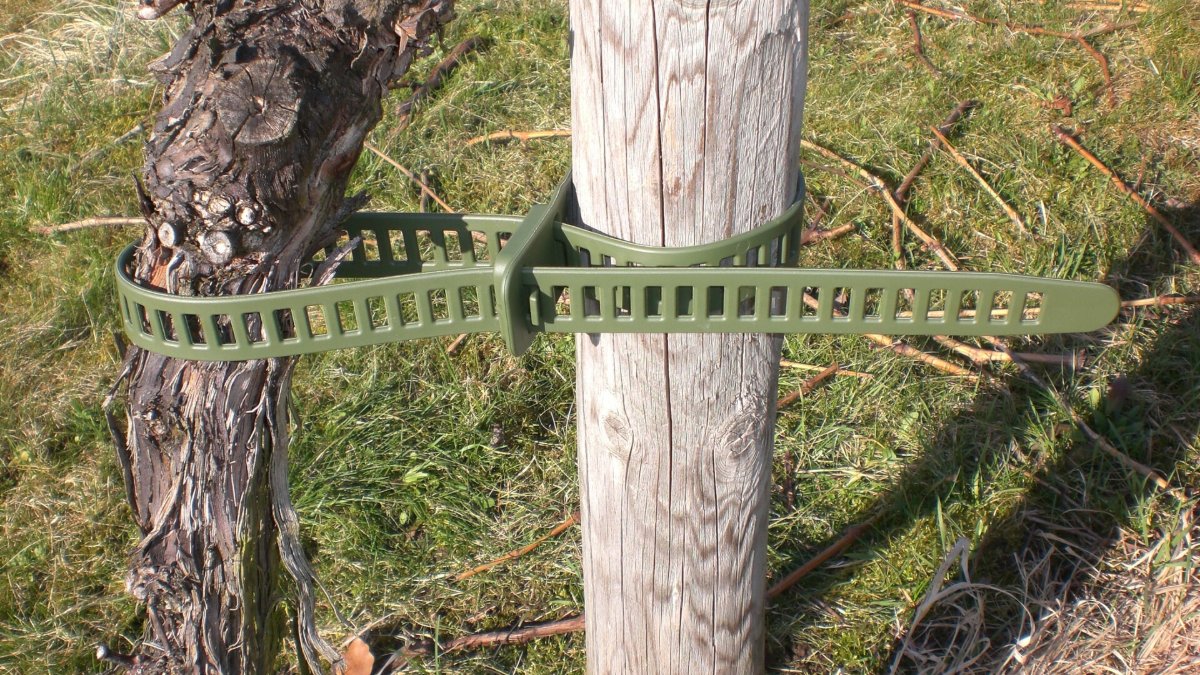
Featured image: Anwender2011, CC0, via Wikimedia Commons (cropped).