

How long do zip ties last outside? In full Australian sun, supplier guides commonly quote 12 to 18 months for natural or white nylon zip ties and 5 to 7 years for black UV stabilised ties. A stainless steel zip tie lasts far longer. These are planning figures, not guarantees: sun, heat, salt and load all change the result.
Here is what breaks a zip tie down outdoors, and how to choose one that lasts.
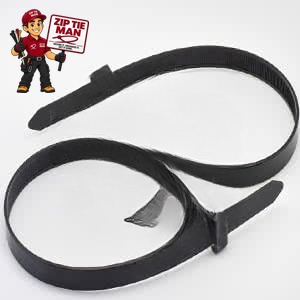
How long each zip tie lasts outdoors
| Zip tie | Typical life in full sun | Best use outside |
|---|---|---|
| Natural or white nylon, not UV stabilised | About 12 to 18 months | Shaded or short-term jobs |
| Black UV stabilised nylon | About 5 to 7 years | Fences, shade cloth, solar, trailers |
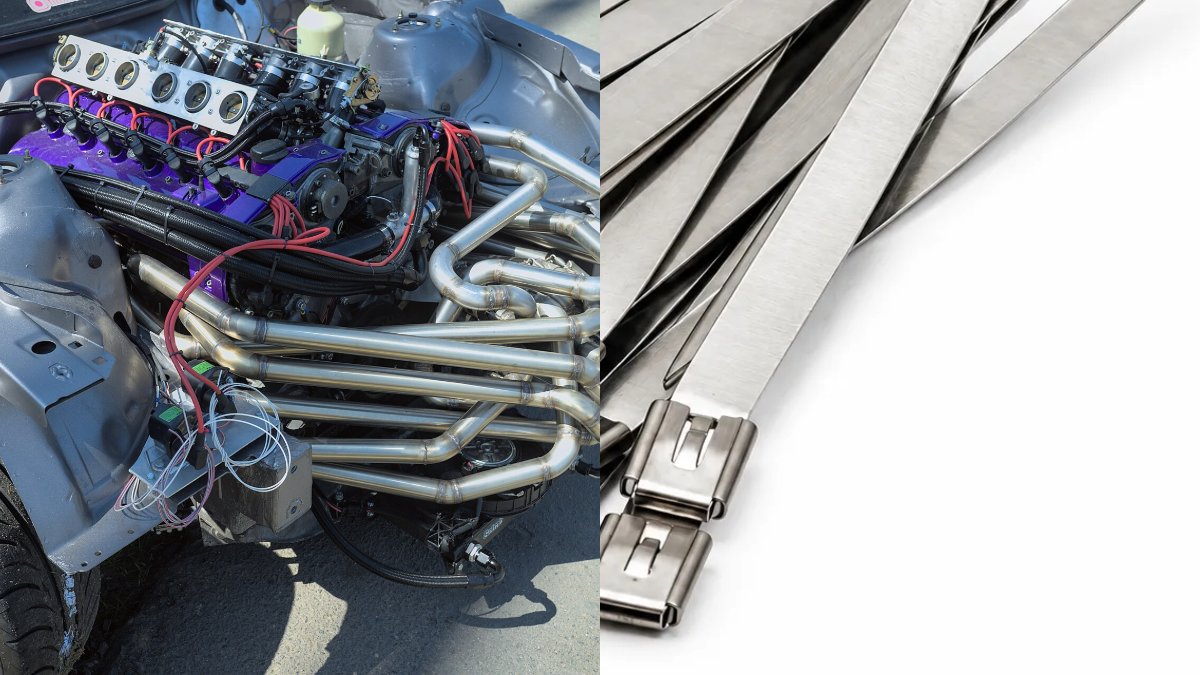
| Stainless steel | Not affected by UV | Long-life jobs, heat, coastal work (316) |
These figures come from published supplier guides and are estimates, not independent test results. Shade makes a big difference: a tie out of direct sun lasts much longer.
Why zip ties go brittle in the sun
UV light slowly breaks down the long chains in nylon. The surface goes chalky, the strap loses its flex, and one day a tie that held for years snaps when the wind moves it. Heat speeds this up, and so does losing moisture.
A black zip tie lasts longer because black nylon contains an additive that blocks UV before it reaches the plastic underneath. Black colour alone is not the point: the protection comes from the UV stabilised material.
Are black zip ties UV resistant?
Ours are. Our black zip ties are UV stabilised nylon 66, made to hold up in Australian sun. For anything that stays outside for years, a black zip tie is the one to choose.
Are white zip ties UV resistant?
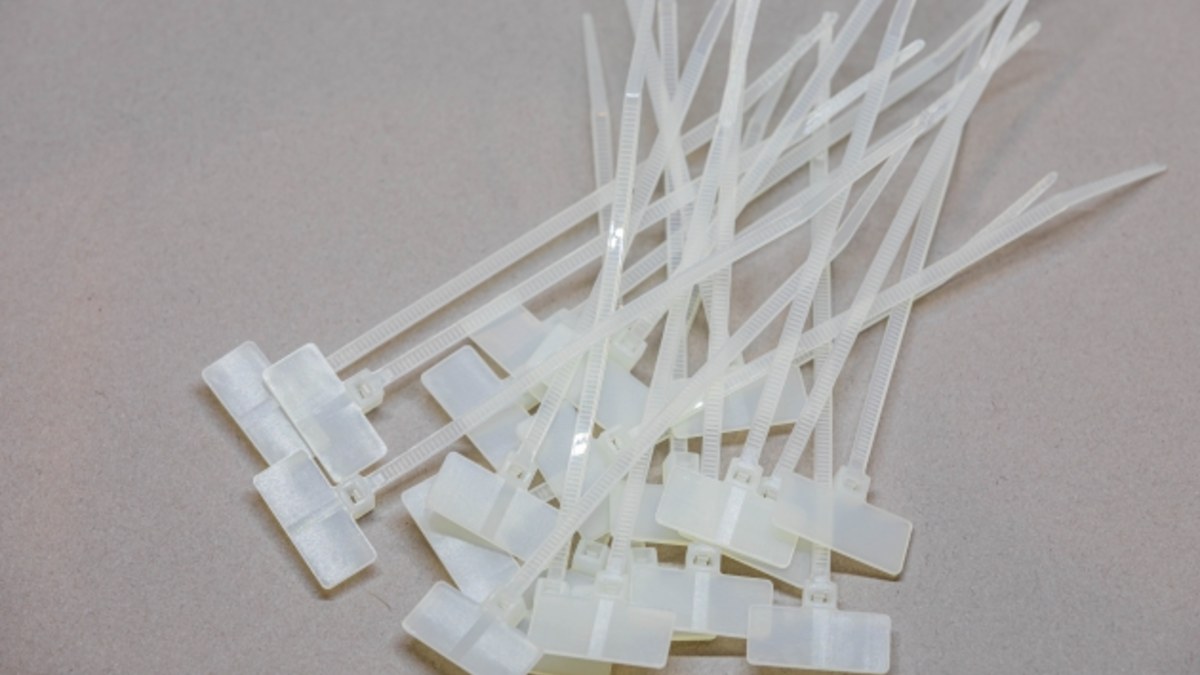
Our white zip ties and colour zip ties are not sold as UV stabilised. For jobs in full sun, choose black.
What else shortens the life of a zip tie outdoors?
- Heat: a tie on a dark roof or metal frame runs much hotter than the air. See zip tie temperature ratings.
- Constant load: a strap under steady tension or flapping in the wind fails sooner. Use a wider tie than the load needs.
- Salt air: on the coast, choose 316 stainless steel zip ties for anything that must last.
- Rubbing: a tie that chafes on a rough edge wears through. Pad the edge or use a wider strap.
How to make a zip tie last longer outside
- Choose black UV stabilised ties for anything in the sun.
- Go wider than you need. A 7.6mm tie (55kg) under a light load lasts better than a 2.5mm tie (8kg) near its limit.
- Fit them out of direct sun where you can, for example under a rail or behind a post.
- Use two ties on anything that matters, so one failure does not drop the job.
- Check them once a year. Bend the tail: if it cracks or looks chalky, replace the tie.
- Use stainless for jobs you cannot reach again, such as solar runs on a roof.
Common jobs and which zip tie to pick
| Job | Zip tie |
|---|---|
| Fence mesh and shade cloth | Black 4.8mm or 7.6mm. See zip ties in the garden. |
| Solar wiring on metal frames | Nylon coated 304 stainless |
| Trailer and ute wiring | Black 4.8mm, or button head ties on a chassis rail |
| Boats, jetties and coastal jobs | 316 stainless steel |
Common questions
How long do zip ties last?
Indoors, out of the sun, a nylon zip tie can last for many years. Outdoors, plan on about 5 to 7 years for black UV stabilised ties and much less for natural nylon.
Do zip ties break down in the sun?
Yes. UV slowly makes nylon brittle. Black UV stabilised ties resist it far better than natural or white nylon.
Do zip ties rust?
Nylon zip ties cannot rust. Stainless steel ties resist rust; near the sea, choose 316 grade.
Written by the team at Zip Tie Man, an Australian zip tie supplier since 2016. Outdoor life figures are typical estimates from published supplier guides, not test results for a specific product.
Shop black UV stabilised zip ties, or read what zip ties are made of.
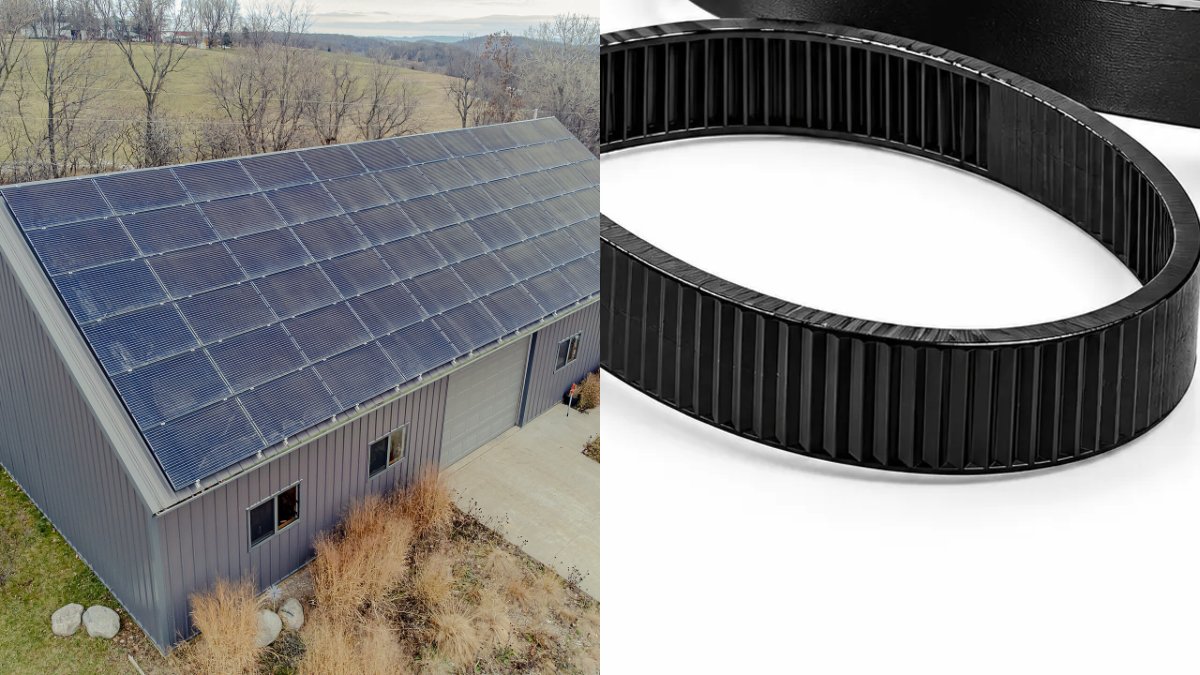
Featured image (solar roof): Wikideas1, CC0, via Wikimedia Commons (cropped).