


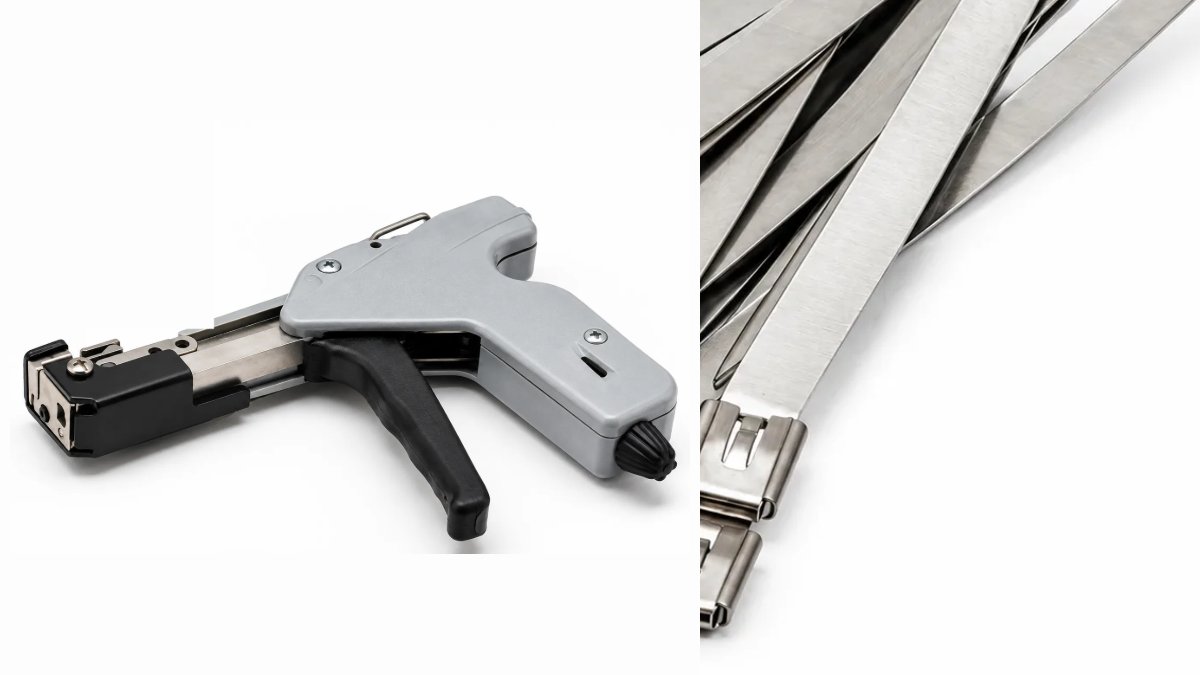
How to tighten metal zip ties: feed the tail through the head, pull it snug by hand, then tension it with a stainless steel zip tie gun, which pulls it tight and cuts it flush in one squeeze. Without a gun, pull it hard with pliers and fold the tail back over the head. Either way, the ball inside the head locks the strap so it cannot slip back.
Stainless ties are tougher to fit than nylon, and the cut end is sharp. Here is how to do it properly.
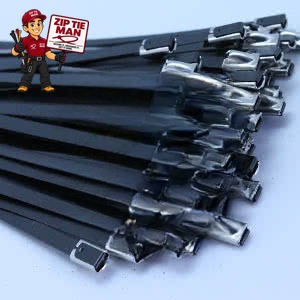
How a metal zip tie locks
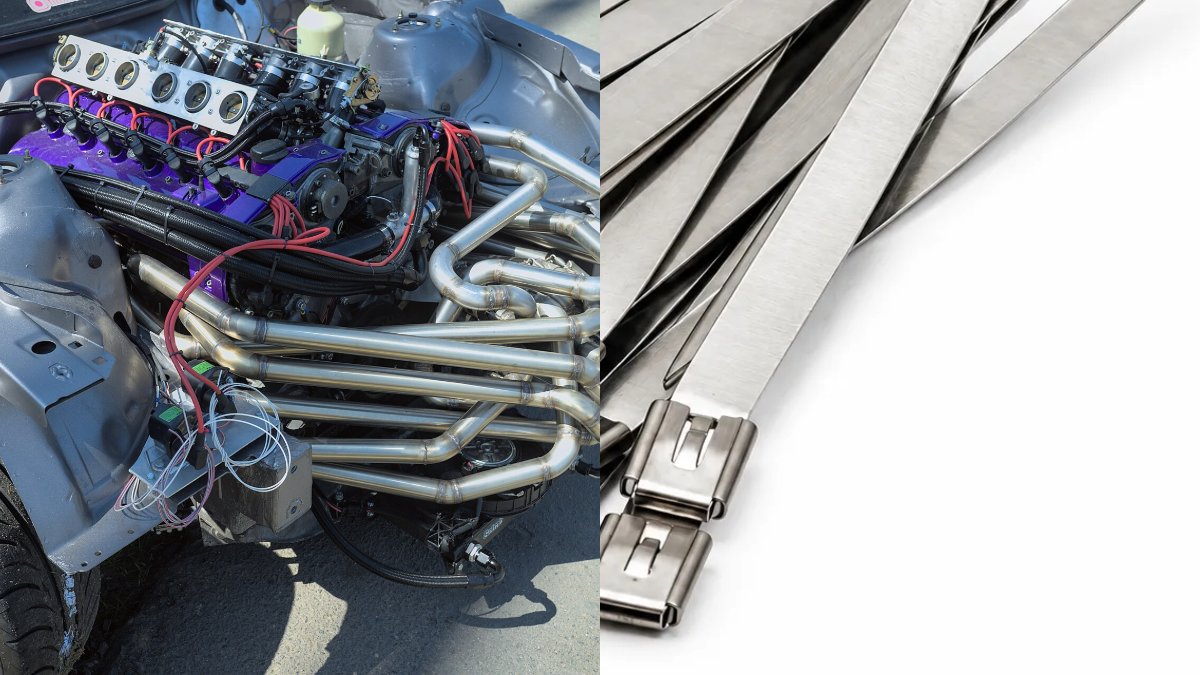
A nylon tie has a ridged strap and a plastic pawl. A stainless steel zip tie has a smooth strap and a small steel ball inside the head.
- Pulling through: the strap pushes the ball aside, so it slides freely one way.
- Locking: if the strap tries to slide back, the ball rolls into a narrowing gap and wedges it.
- Either way round: the strap is smooth on both sides, so there is no wrong side to face in. Just feed the tail through the head in the direction it slides.
What you need
- Stainless ties in the right size. Ours are 4.6mm and 7.8mm wide, in 304 or 316 marine grade.
- A stainless steel zip tie gun (suits 3mm to 7.9mm ties), or a pair of pliers.
- Gloves. A cut stainless edge is sharp.
How to tighten metal zip ties with a gun
- Wrap and thread. Loop the tie around the bundle and feed the tail through the head.
- Pull snug by hand. Take up the slack so the head sits against the bundle.
- Load the gun. Slide the tail into the gun's nose, with the nose pressed against the head.
- Squeeze to tension. The gun pulls the strap tight. Stop when the bundle is held firmly.
- Cut. The gun trims the tail flush with the head, leaving no sharp end.
Our guide on how to use a zip tie gun covers setting up and using the gun in more detail.
How to tighten metal zip ties by hand
For a few ties, you can do without a gun:
- Thread and pull snug by hand, wearing gloves.
- Grip the tail with pliers close to the head and pull it tight.
- Fold the tail back over the head, so it lies flat and helps stop it slipping.
- Trim the excess with tin snips or side cutters, leaving a short folded end.
- File or tape the end if anyone will touch it.
Hand tension is less even than a gun's, and a hand-cut end is sharper. For more than a handful of ties, a gun saves time and cut fingers.
How to remove stainless steel zip ties
The ball lock is not designed to release, so a stainless tie comes off by cutting it.
- Use the right cutters. Side cutters work on 4.6mm ties; tin snips or bolt cutters are easier on 7.8mm.
- Cut away from what it holds. Cut at the head or on the outside of the bundle, so the blade cannot nick a hose or lead.
- Wear gloves and eye protection. The strap can spring when cut.
- Collect the offcuts. Loose strips of stainless are sharp underfoot and in engine bays.
Bare or nylon coated?
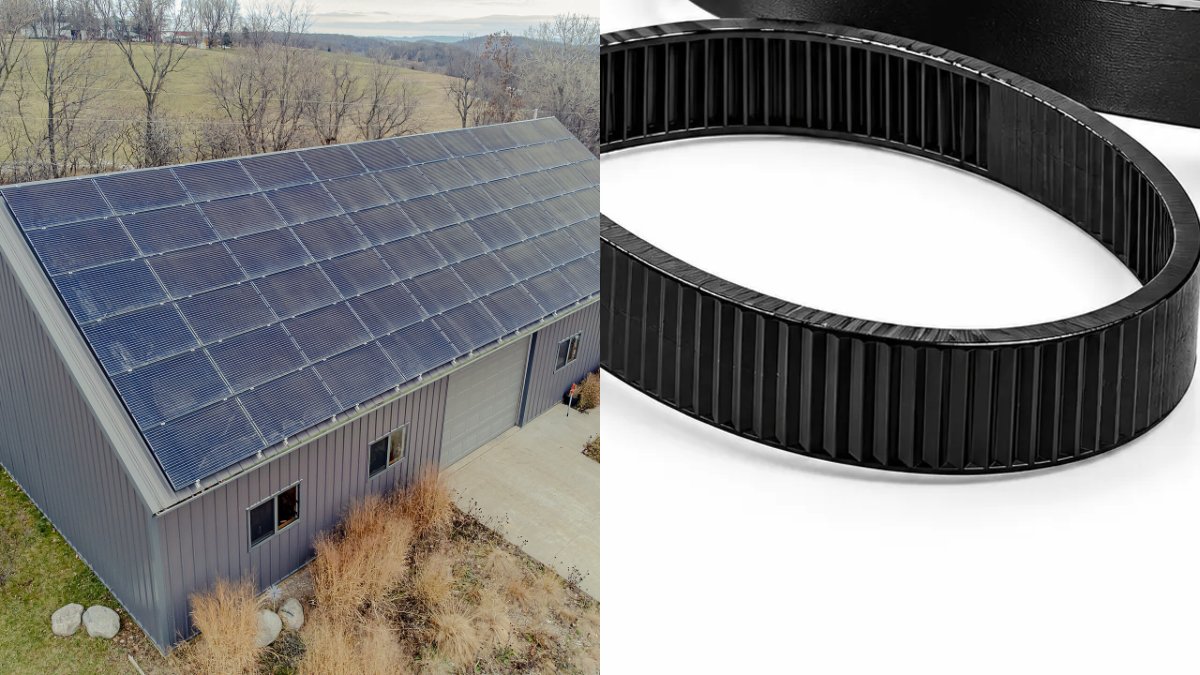
Nylon coated 304 ties have the heat and weather resistance of stainless, but the coating stops bare metal rubbing through wire insulation or scratching a surface. They are also easier on hands when fitting. Choose them for solar wiring on metal frames, painted surfaces, and anywhere the tie could chafe a lead or hose under vibration.
Mistakes to avoid
- Leaving a long, sharp tail: always cut flush or fold it back.
- Bare steel on soft insulation: use coated ties, or pad the bundle.
- 304 on the coast: near salt air, use 316 marine grade.
- Trying to reuse a tie: once locked and cut, fit a new one.
Common questions
Do metal zip ties need a tool?
You can fit them by hand with pliers, but a stainless steel zip tie gun gives even tension and a flush, safe cut.
How do you get metal zip ties tight?
Pull the tail with a stainless tie gun or pliers, not just fingers. The ball lock holds whatever tension you reach.
Can you undo a metal zip tie?
Not in normal use. The ball lock is made to hold, so stainless ties are removed by cutting them.
Written by the team at Zip Tie Man, an Australian zip tie supplier since 2016.
Shop stainless steel zip ties, or compare metal vs plastic zip ties.