

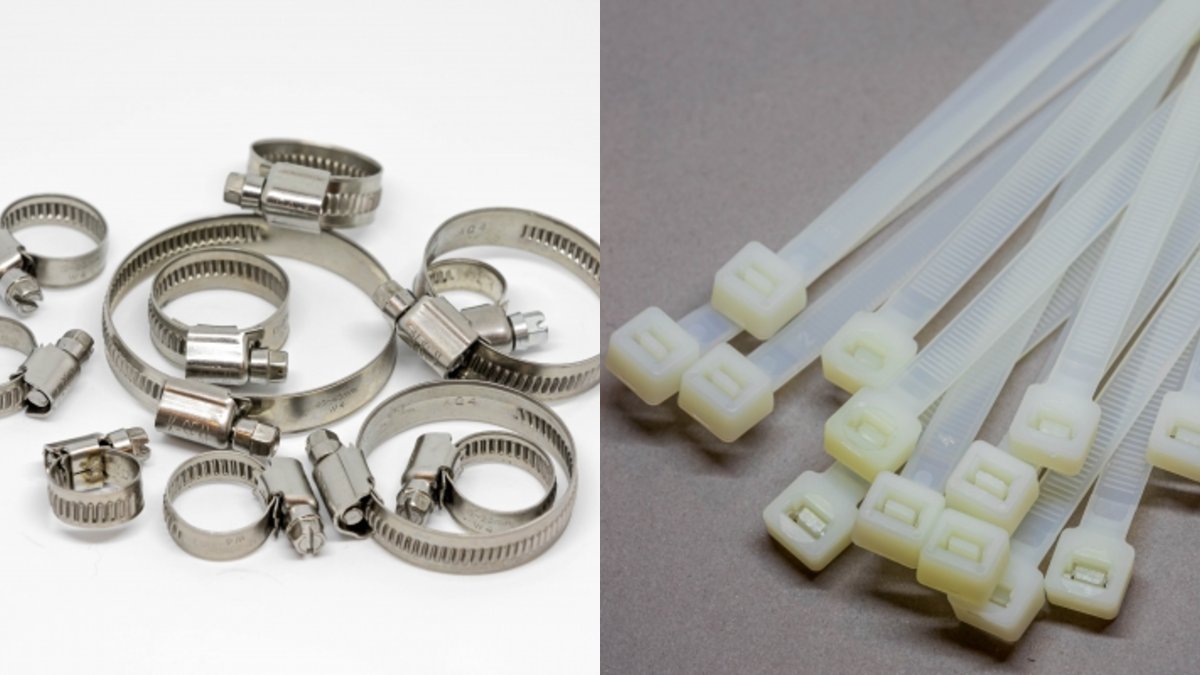
What to use instead of zip ties depends on the job: a hose clamp for a hose under pressure, a hook-and-loop strap or releasable zip tie for leads you move every day, tape to insulate or seal, and stainless steel ties where nylon would melt. For holding a bundle firmly and cheaply, a zip tie is still hard to beat.
Here is how the options compare.
Zip ties vs the alternatives at a glance
| Fastener | Best for | Weak spots |
|---|---|---|
| Nylon zip tie | Bundling and holding, fast, firm and cheap | Single use (unless releasable); softens with heat |
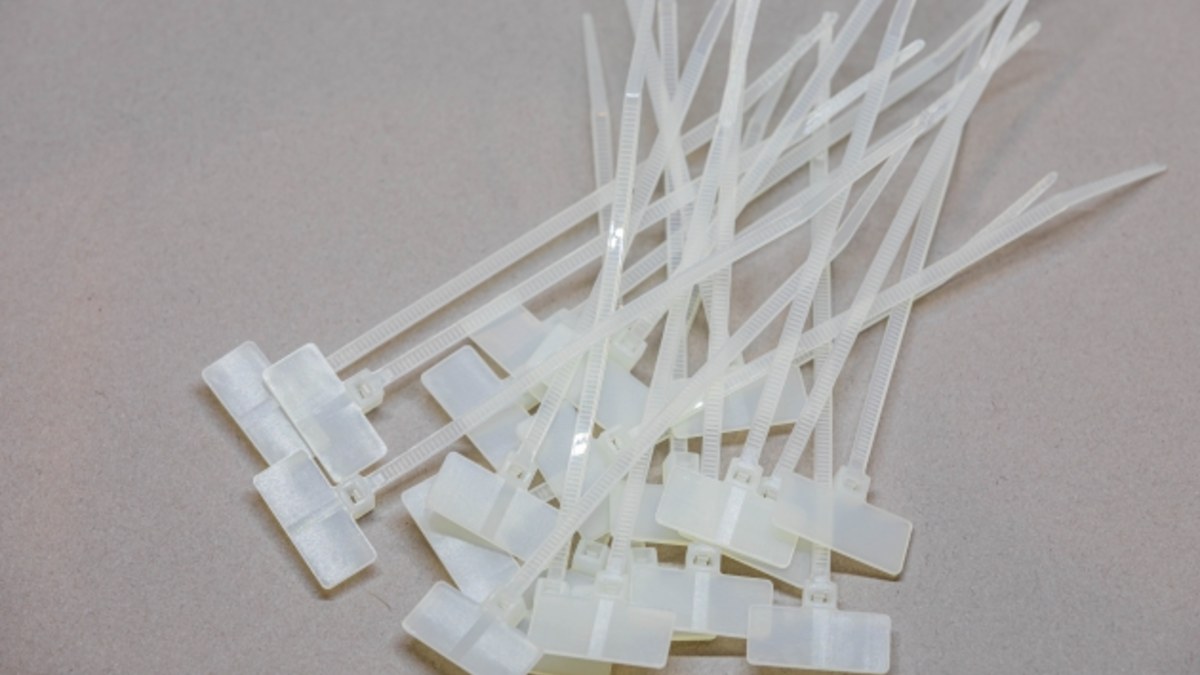
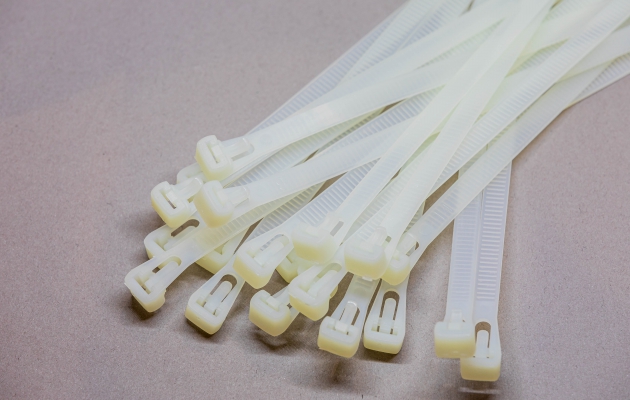
| Releasable zip tie | Bundles you open and close again | Costs more per tie |
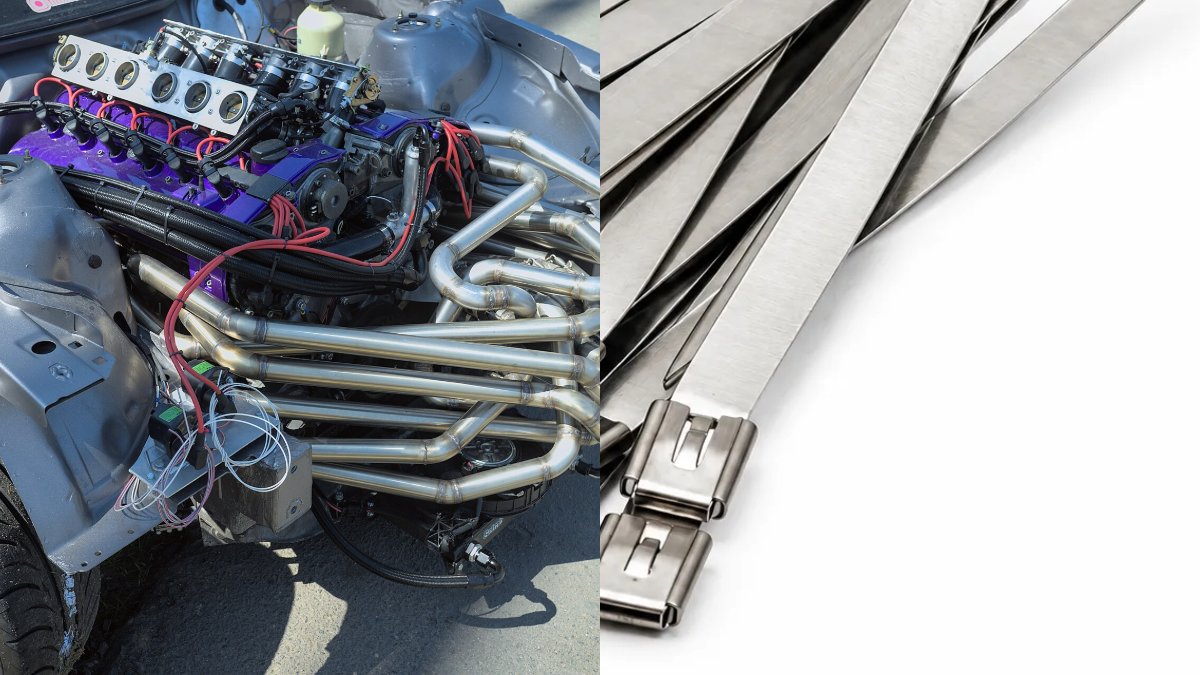
| Stainless steel zip tie | Heat, salt air, chemicals | Needs cutters to remove; best fitted with a tool |
| Hook-and-loop strap | Leads you change daily | Loosens over time; collects dust |
| Twist tie | Bread bags, light garden ties | Weak; untwists; wire rusts |
| Electrical or duct tape | Insulating, sealing, quick patches | Goes gummy in heat; leaves residue |
| Wire | Heavy farm and fencing jobs | Sharp ends; can cut insulation |
| Hose clamp | Sealing a hose on a fitting | Not for bundling |
Zip ties vs hose clamps
Can you use zip ties instead of hose clamps? Only on a hose with no pressure, such as a drain or overflow line. A zip tie pulls tight at one point and cannot clamp evenly all the way round, so a pressurised hose can leak or blow off.
- Coolant, water and air hoses: use German 304 hose clamps. The solid band clamps evenly without biting into the hose.
- Fuel injection lines: use EFI hose clamps, made for small high-pressure hoses.
- Holding a hose in place (not sealing it): a zip tie is fine.
Zip ties vs tape
Tape and zip ties do different jobs. Tape insulates, seals and covers. A zip tie holds. On a wiring loom, a few zip ties hold the shape far longer than a wrap of tape, which can go gummy in the heat and unravel. To seal a join, use dual wall heat shrink, then tie the run.
Zip ties vs twist ties and hook-and-loop straps
- Twist ties are fine for a bread bag or a light plant tie, but they untwist and are not strong enough for wiring or fencing.
- Hook-and-loop straps are good for leads you unplug every day, like a laptop charger. For anything that stays put, a zip tie is firmer, smaller and cheaper.
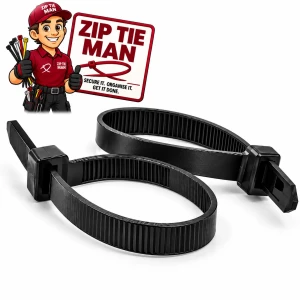
- The middle ground: releasable zip ties grip like a standard zip tie (55kg at 7.6mm) but open with a press of the tab.
When a stronger alternative is needed
Looking for a stronger alternative to zip ties? Before switching fastener, try a wider zip tie. Breaking strain rises with width, from 8kg at 2.5mm to 80kg at 9mm. See how strong zip ties are. For heat or salt, move to stainless steel. Our metal vs plastic zip ties guide compares them.
Use something else entirely when:
- Lifting or restraining a load: use rated slings and straps.
- Securing cargo: use ratchet straps or rated tie-downs.
- Anything safety-critical on a vehicle: use the correct part. See zip ties for car repairs for what zip ties should and should not do.
Common questions
What can I use instead of zip ties?
Hook-and-loop straps or releasable zip ties for leads you move often, hose clamps for hoses under pressure, tape for insulating, and stainless steel ties where nylon would not survive.
Are zip ties stronger than tape?
For holding a bundle, yes. A 4.8mm zip tie has a 22kg breaking strain and keeps its grip; tape can loosen with heat and time.
Can I use zip ties instead of hose clamps?
Only on hoses with no pressure. Use a proper hose clamp on coolant, water, air and fuel lines.
Written by the team at Zip Tie Man, an Australian zip tie supplier since 2016.
Browse zip ties in every size, or read what a zip tie is and how it works.