


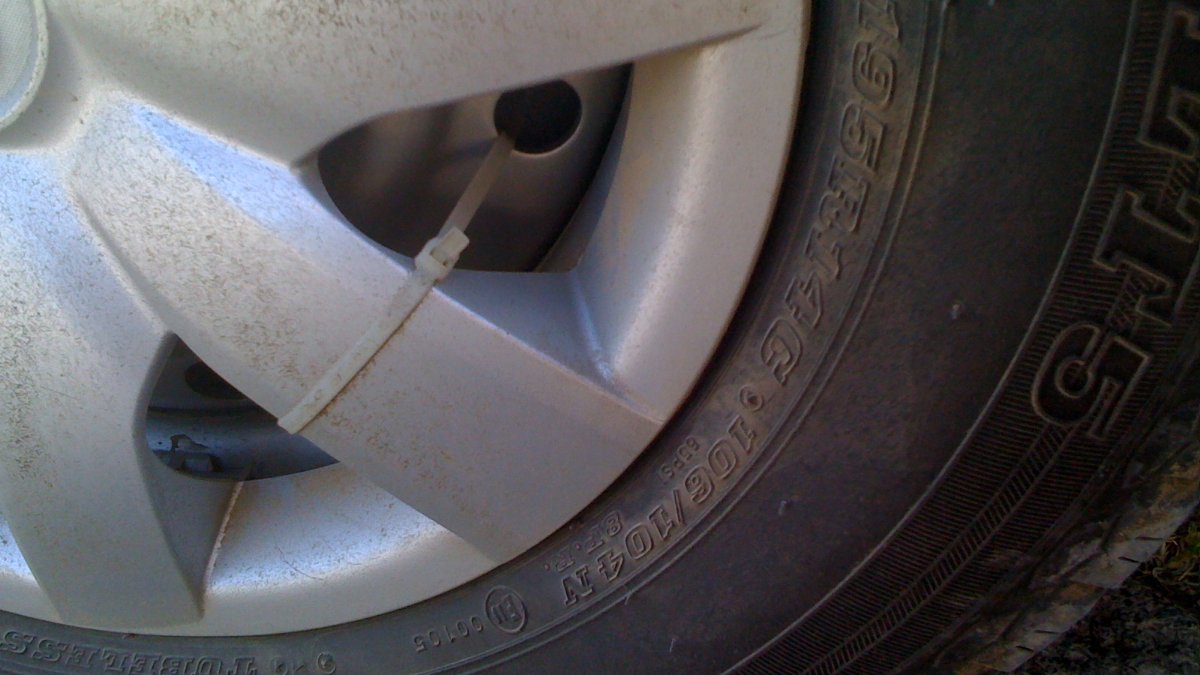
How to zip tie a bumper: drill small holes either side of the gap, then pull the bumper and the body together with wide black zip ties, several of them, tightened evenly. It is a get-you-home fix, not a repair: it holds a loose bumper or undertray until you can get it fixed properly.
Zip ties earn their place in every car, ute and trailer kit. This guide covers which ties suit vehicles, how to fit them so they last, and where a zip tie is the wrong answer.

Which zip ties suit vehicles?
Under a car or on a trailer, a tie faces sun, heat, vibration and road grime. Choose for that:
| Job | Zip tie | Why |
|---|---|---|
| Wiring looms, general | Black zip ties, 4.8mm (22kg) | UV stabilised nylon 66 for outdoor use |
| Bumpers, undertrays, heavy hose | 7.6mm black zip ties (55kg) | Wider strap, more grip, less bite |
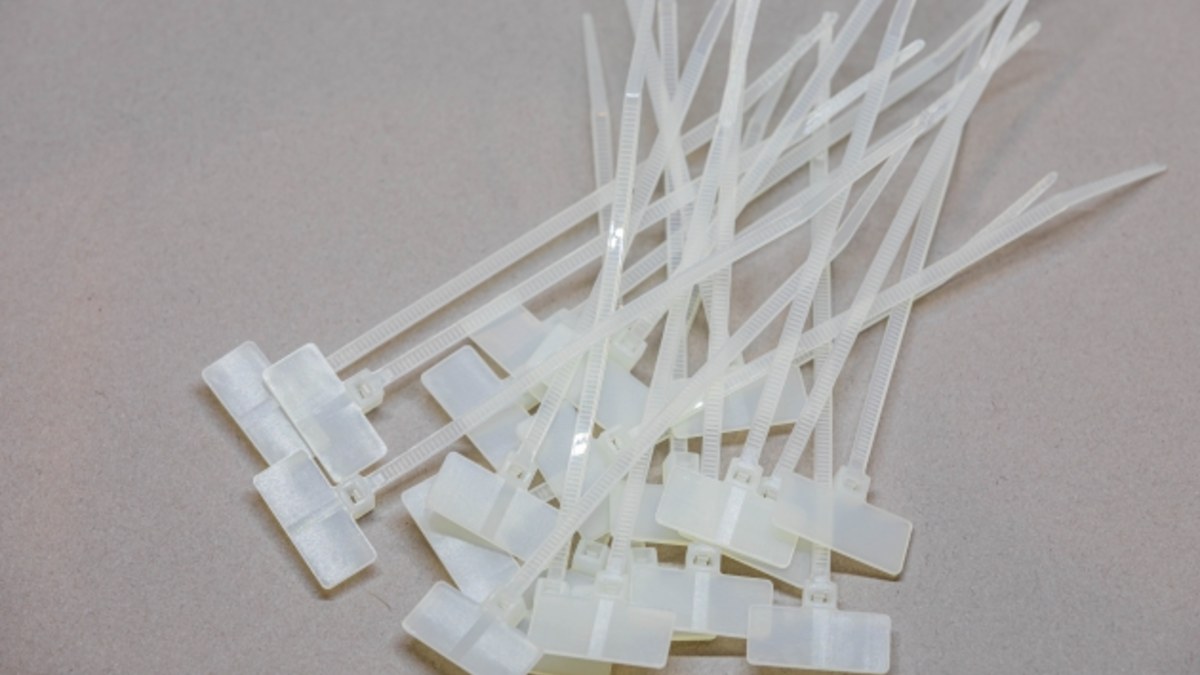
| Factory clip holes in body panels | Push type zip ties | Holden 8 x 150mm and Toyota 7.2 x 155mm sizes clip straight in |
| Chassis rails on trucks and trailers | Button head zip ties, 7.6 x 370mm | Fixing head pushes into a rail hole; 55kg |
| Fixing a run to a panel with a screw | Mountable zip ties, 4.8 x 200mm | One screw holds the tie and the bundle |
| Keeping two hoses apart | Dual handcuff zip ties, 12.7mm | Two loops stop lines rubbing through |
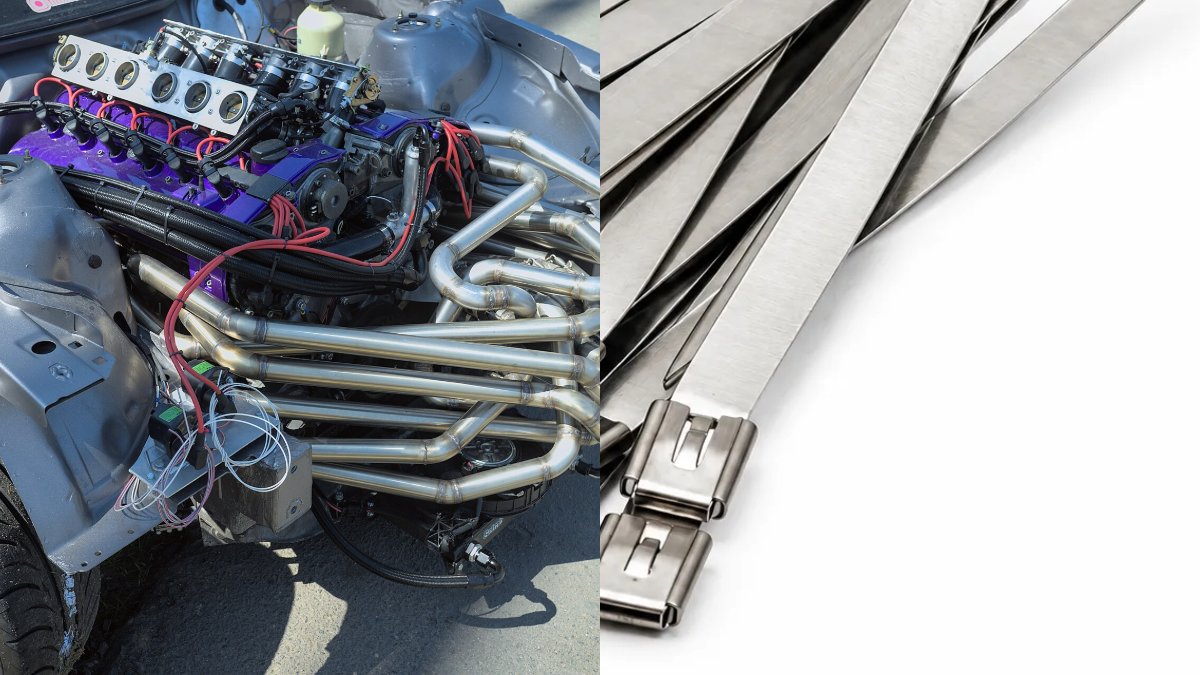
| Near the exhaust or engine | Stainless steel zip ties | Nylon softens with heat |
Use black, not white or coloured, for anything outside the cabin. Black nylon is UV stabilised for the sun.
How to zip tie a bumper (temporary fix)
- Check what is broken. If the bumper is cracked through, hanging off a broken bracket, or the car has been in a crash, get it inspected. A zip tie does not fix structure.
- Line it up. Push the bumper back into place so the gap with the body or guard is even.
- Drill pairs of small holes. One hole on the bumper and one on the body or undertray, opposite each other, just wide enough for the tie. Keep clear of wiring, sensors and the radiator.
- Thread wide ties. Use 7.6mm black zip ties. Feed each one through both holes and lock it on the inside, out of sight.
- Tighten evenly. Work along the bumper so it pulls in straight. Three or four ties along a loose edge is better than one tight one.
- Cut flush and check. Trim the tails flush, then push on the bumper by hand. It should not flap or rub on the tyre.
Check the ties after a few days of driving, and book the proper repair. For the basics of fitting a tie, see how to use a zip tie.
Wiring looms and trailer leads
This is where zip ties do their best work on a vehicle.
- Follow the factory route. Run new wiring along existing looms and tie it to them, away from moving parts and hot surfaces.
- Space them out. A tie every 150mm to 300mm keeps a loom from sagging or flapping. Go closer where it vibrates.
- Don't crush the insulation. Snug, not tight. Cut tails flush so they do not chafe the next lead.
- Clip, don't just hang. Push type ties into factory holes, button head ties into chassis rails, or mountable ties with a screw keep the run fixed to the vehicle, not just to itself.
- Seal the joins first. On trailer plugs and lights, seal each join with dual wall heat shrink, then tie the run.
A zip tie gun gives every tie the same tension on a long loom. See how to use a zip tie gun.
Hoses, undertrays and trim
- Undertrays and splash guards: 7.6mm black ties through the existing holes hold a loose tray until the clips are replaced.
- Hoses that rub: dual handcuff ties hold two hoses side by side with a gap, so they cannot wear through each other.
- Loose trim: a tie through a hidden hole can stop a rattle, but replace broken clips when you can.
- Hot zones: anywhere near the exhaust, turbo or manifold, use stainless steel. Our guide to metal vs plastic zip ties explains why.
Bikes and motorbikes
- Cables and brake lines: small 2.5mm or 3.6mm ties keep cables tidy along the frame. Leave enough slack for the bars to turn fully both ways.
- Lights and computers: ties hold mounts to the bars, but check they cannot slip into the spokes or brakes.
- Not a lock: a zip tie is not a security device. Anyone with cutters can remove it.
Number plates
Rules on how a number plate is fixed are set by each state and territory. If you use zip ties, the plate must sit flat, held firmly at every mounting point, and stay fully readable. Check with your state transport authority whether that meets their requirements.
Where a zip tie is the wrong fix
- Anything structural or safety-related: brakes, steering, suspension, seatbelts, towbars and safety chains. Repair these properly.
- A hose under pressure: fuel, coolant and turbo hoses need a proper clamp, such as a German 304 hose clamp or an EFI clamp on fuel injection lines.
- Against an exhaust: nylon will soften. Use stainless steel or reroute.
- Holding a load on a roof rack or trailer: use rated straps.
Common questions
Can you zip tie a bumper back on?
As a temporary fix, yes: several 7.6mm black ties through drilled holes will hold a loose bumper until it is repaired. Do not rely on them for a bumper that is cracked or hanging off a broken bracket.
What zip ties are best for car wiring?
4.8mm black zip ties for most looms, push type ties for factory clip holes, and stainless steel near the exhaust or engine.
Do zip ties hold up under a car?
Black nylon zip ties are UV stabilised and suit outdoor use, but heat, grit and vibration wear any tie. Check them at each service and replace any that look brittle or chafed.
Written by the team at Zip Tie Man, an Australian zip tie supplier since 2016.
Stock your kit with black zip ties, or read what a zip tie is and how it works.
Featured image: Christopher Ziemnowicz, CC BY-SA 3.0, via Wikimedia Commons (cropped).